VR safety training with scored competency assessment and a dated digital certificate, deployable on standalone headsets across every site, in Hindi and English.
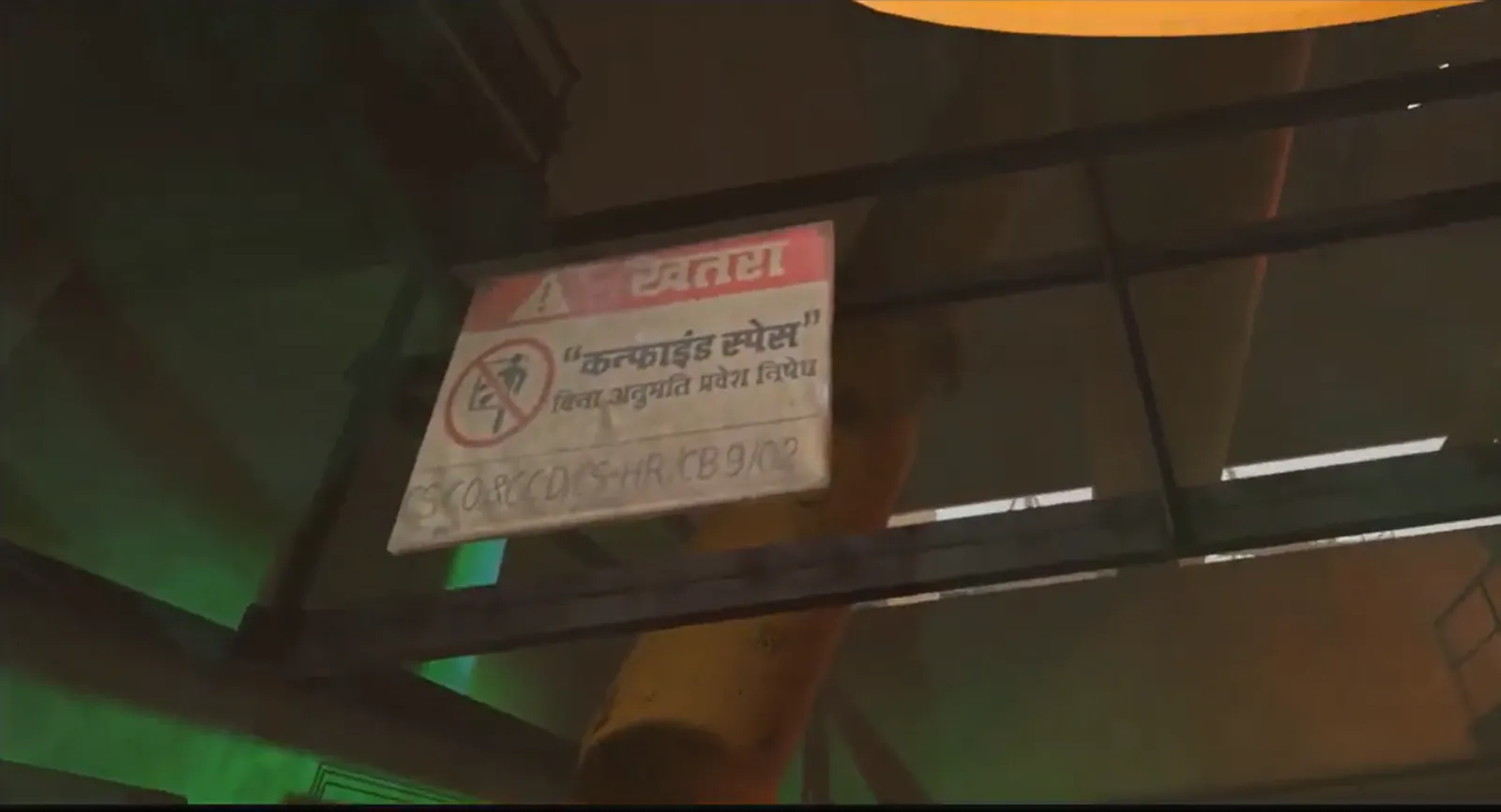
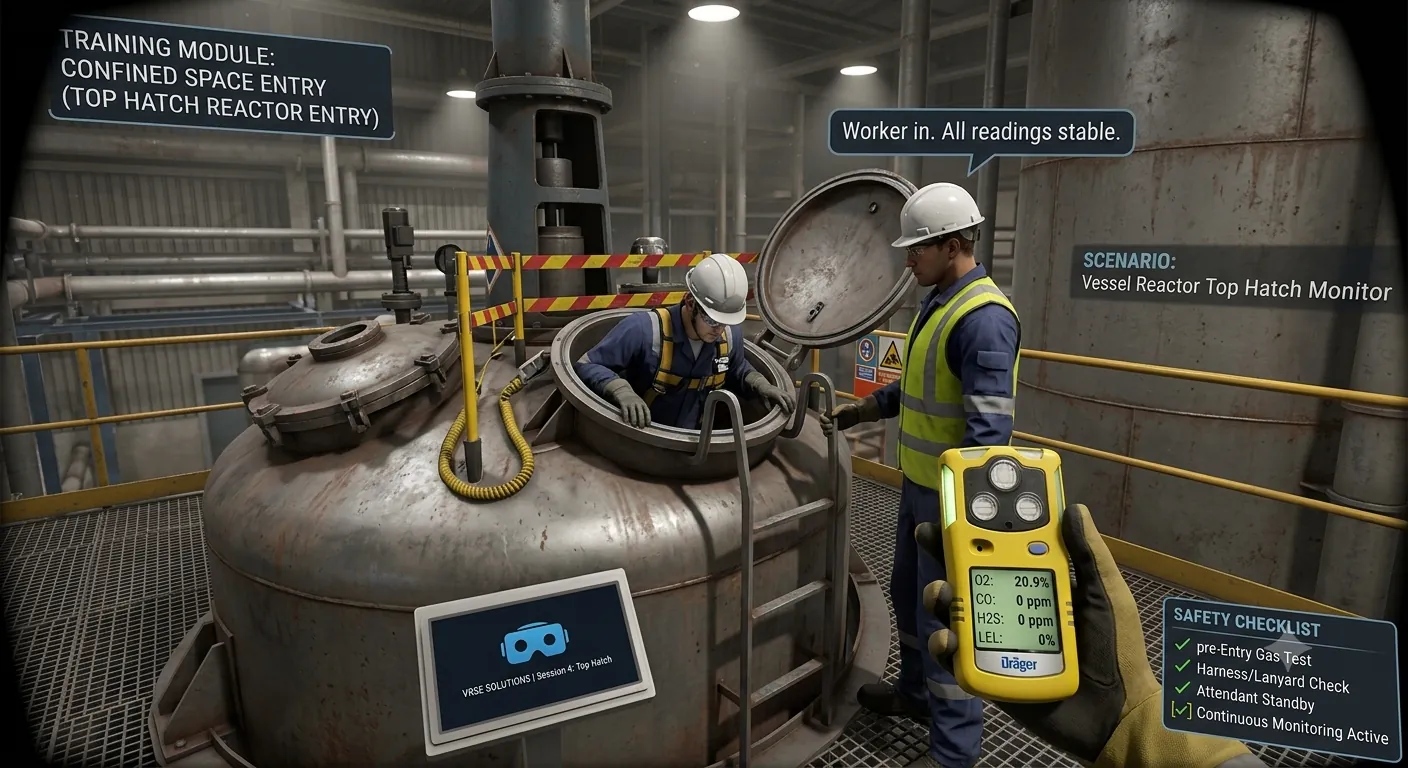
Before anyone enters a permit-required confined space, OSHA 29 CFR 1910.146 requires the atmosphere to be tested for oxygen, flammable gases and toxic contaminants; an entry permit to be issued and signed; a trained attendant to remain outside for the duration; and rescue capability to be arranged before entry begins, not summoned after an incident. IS 4863 similarly requires standby rescue capability to be in place before entry. Most confined-space fatalities are would-be rescuers who entered without these controls. EDIIIE’s Confined Space Entry module trains the full permit sequence in VR: the trainee tests the atmosphere with a simulated gas monitor, completes the permit, verifies the standby attendant and rescue plan, enters a tank or vessel, and responds to a deteriorating atmosphere. Every attempt is scored against 1910.146 and IS 4863 and issues a dated certificate, without ever placing a trainee in a genuinely oxygen-deficient space.
This module is designed around OSHA 29 CFR 1910.146 / IS 4863 and delivered as an immersive VR simulation with three progressive modes, Learn, Practice and Assessment, with progression gated on competency. Every trainee finishes with a scored result and a dated digital certificate recorded in the LMS.
Screens from the Confined Space module. Every scenario is rebuilt from real plant conditions so the hazard, the equipment and the procedure match what the worker meets on shift.


Confined space entry is the module where the gap between knowing and doing is most lethal, because the environment gives no warning, an oxygen-deficient atmosphere is invisible and can render a person unconscious in seconds. It is impossible to train realistically on a live space without exposing the trainee to that risk, which is exactly why VR is the right medium. In simulation the atmosphere can be made to deteriorate, a colleague can collapse inside the vessel, and the trainee’s instinct to rush in unprotected can be tested and corrected, the single most important lesson in the entire subject, with no one in danger. The assessment records whether the trainee tested before entry, whether they raised the alarm correctly, and whether they resisted the untrained-rescue reflex.
A confined space job usually requires the equipment to be isolated first (Lockout/Tagout), the atmosphere managed (Chemical Safety), and the correct respiratory PPE selected and donned (PPE module). EDIIIE builds these as linked modules sharing one competency record, so a plant can certify a worker for the whole permit-to-work chain rather than for one procedure in isolation. This matters for oil & gas and steel sites, where confined-space entry into vessels, tanks and flues is routine and audited.
Naming the standard is what separates a vendor page from a blog post, for a buyer and for an answer engine alike. Each element of the module is mapped to the requirement it satisfies.
| Standard | What it requires |
|---|---|
| OSHA 29 CFR 1910.146 | Permit-Required Confined Spaces, permit system, atmospheric testing, attendant and entrant duties, and rescue provision. |
| IS 4863 | Indian safety code for work in confined spaces, including standby rescue capability before entry. |
| ISO 45001 | Documented safe system of work for high-consequence tasks. |
One module, three gated modes, the trainee cannot reach assessment until they have demonstrated the procedure in practice.
A guided walkthrough of the procedure and the standard behind it, at the trainee's own pace, with the hazard shown safely at full realism.
The trainee performs the procedure themselves in an interactive scenario, repeating until the sequence is correct. Wrong choices show their consequence safely.
A scored assessment against the standard. On a pass, the LMS issues a dated digital certificate and logs completion, competency score and error-per-step for audit.
At SAIL Bhilai, one of India’s largest integrated steel plants, EDIIIE deployed a six-module VR safety programme to more than 5,000 workers, covering blast furnace, coke oven, rolling mill, fire response, electrical lockout and PPE. The programme standardised safety induction across shifts and sites without taking a single worker into a live hazard area to train.

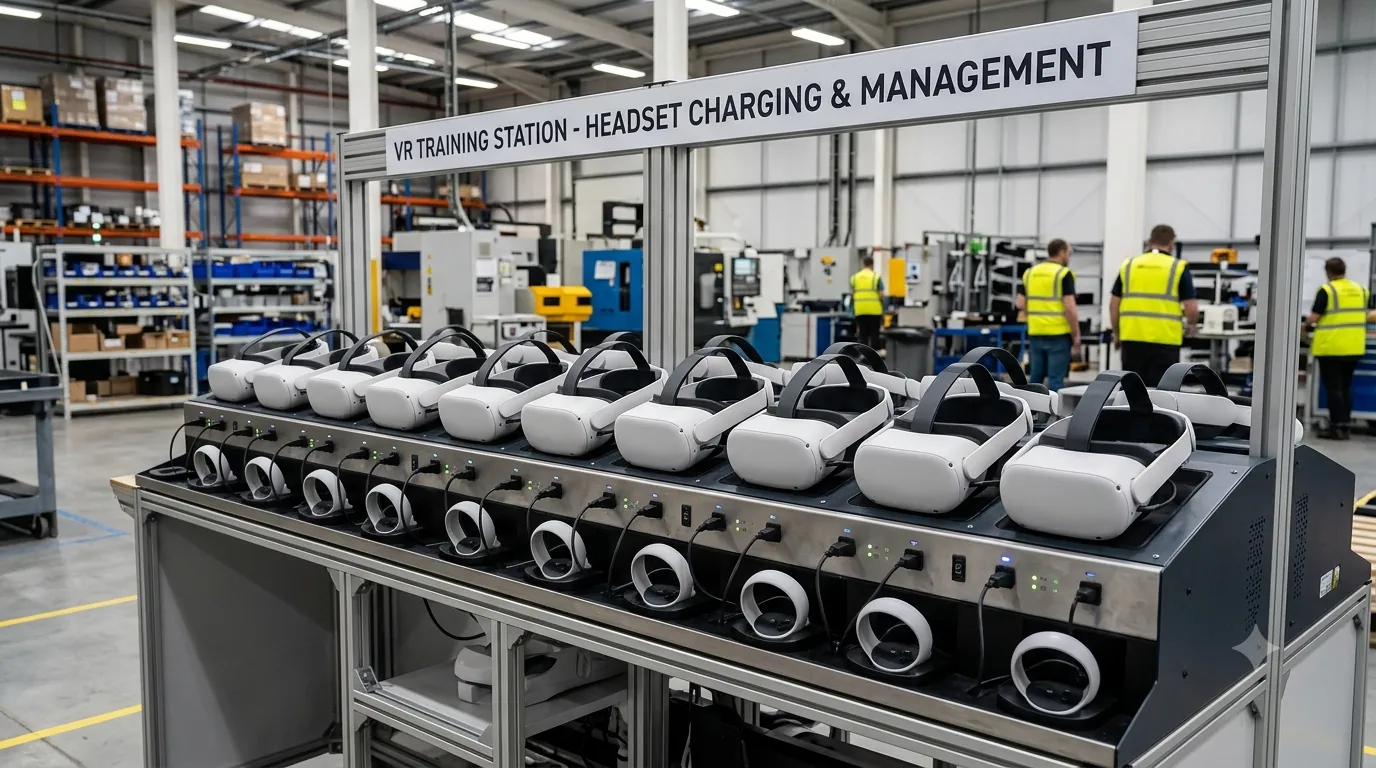
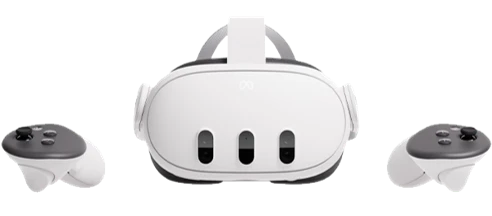
The same module ships to every site on a fleet of Meta Quest headsets with a charging station and a companion tablet for the instructor.

A rack of headsets lives at the plant. Trainees pick one up, complete the module and hand it back; scores sync to the LMS when the headset reaches Wi-Fi. No dedicated PC per seat and no simulator room to build.

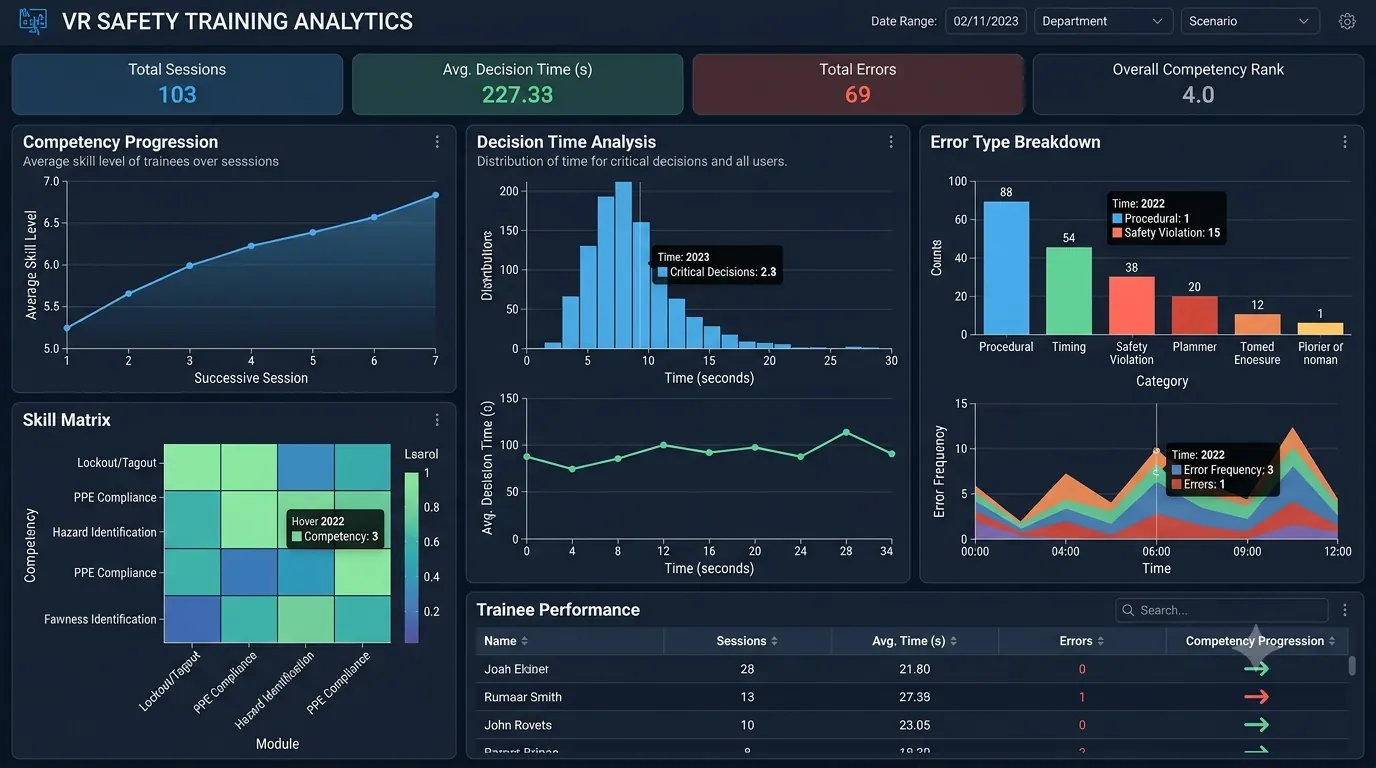
Assessment mode records decision time, procedural errors and safety violations per step. The safety officer sees competency progression per trainee and per department, and the LMS issues a dated digital certificate on a pass.

Every module is built and tested for standalone Quest hardware. Headsets and the charging station can be supplied with the programme, or the module is deployed onto a fleet you already own.
This module is deployed across EDIIIE's industry programmes. Explore how it fits each sector:
Book a demo and see the Confined Space module running on a headset, scored against OSHA 29 CFR 1910.146 / IS 4863.
Request this module