VR safety training with scored competency assessment and a dated digital certificate, deployable on standalone headsets across every site, in Hindi and English.
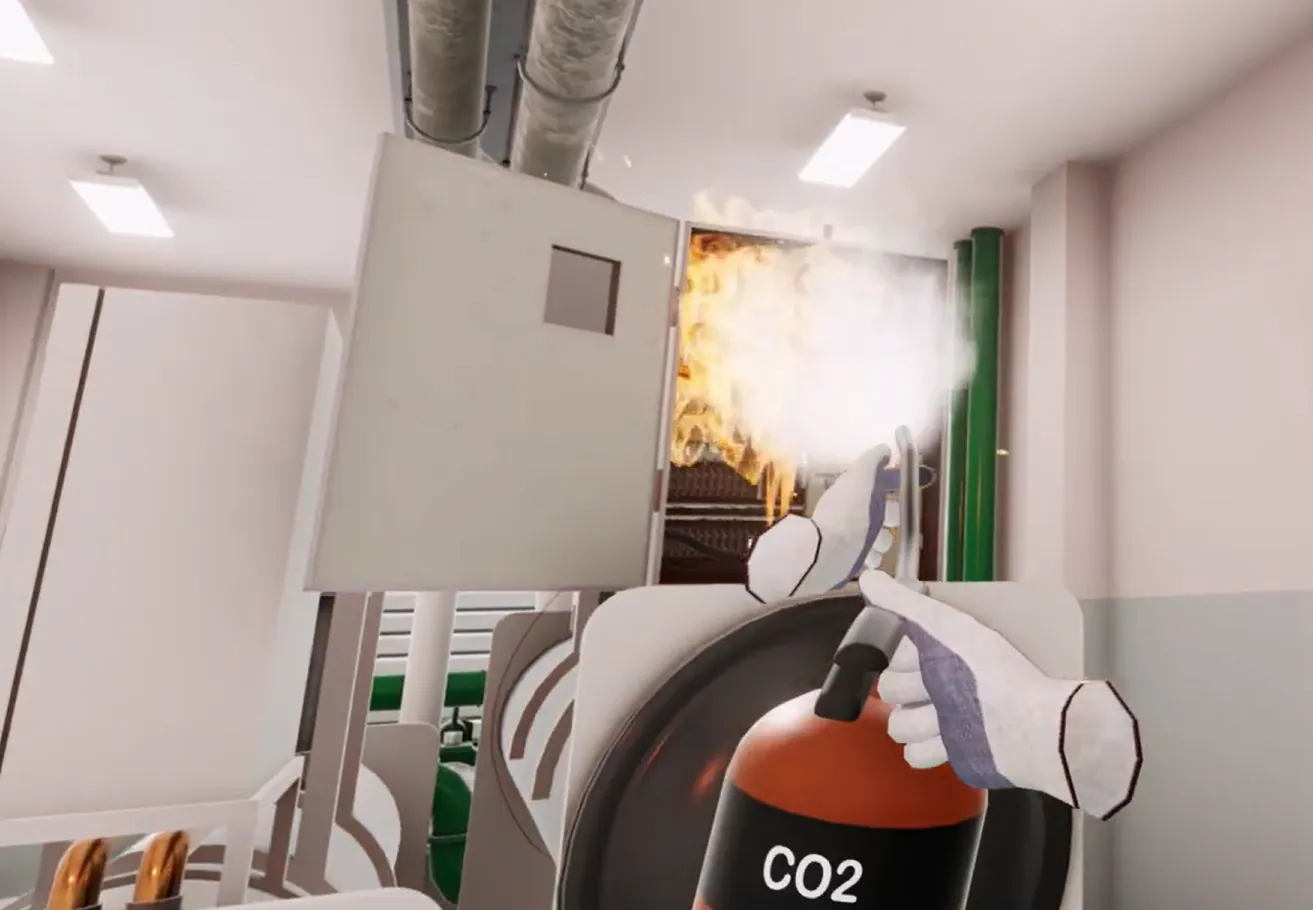
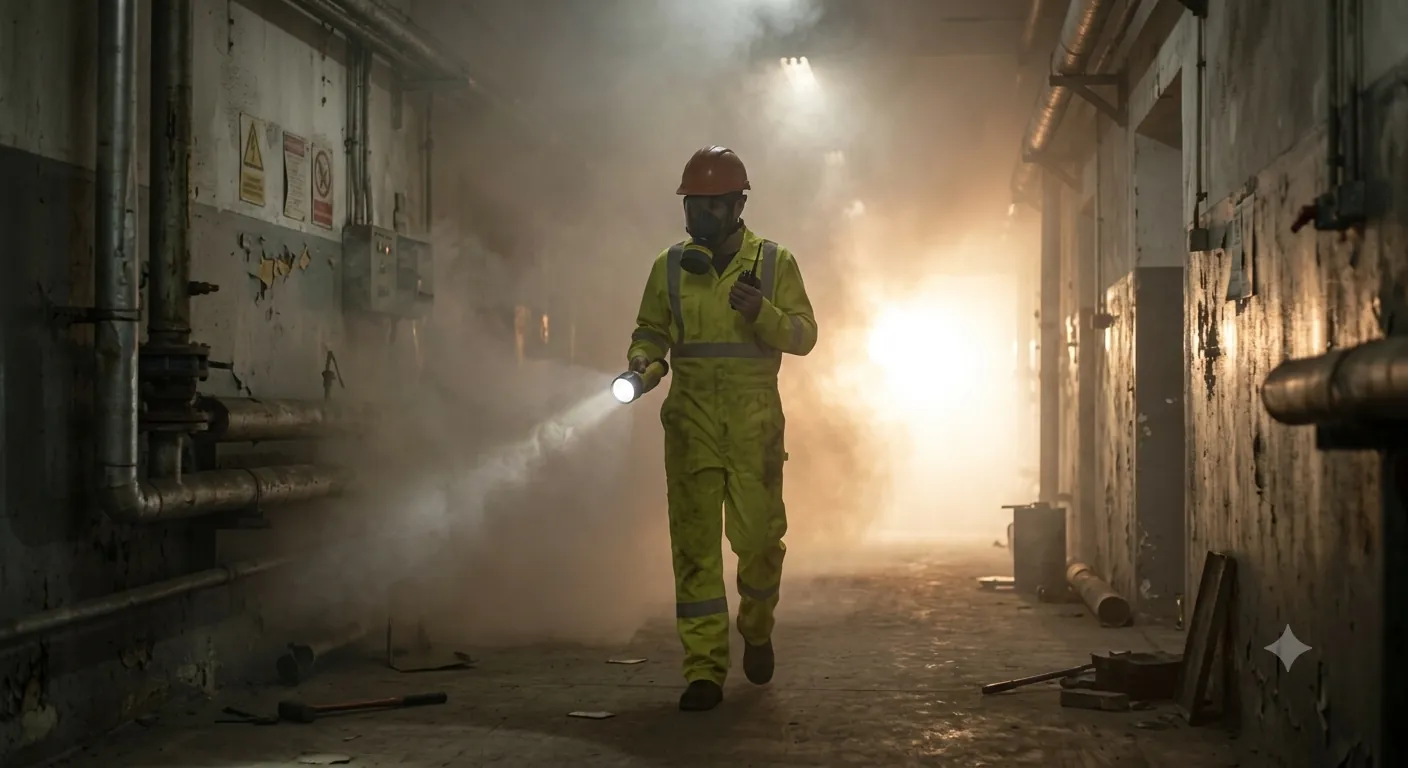
Fire extinguisher training must teach workers to identify the fire class (A, B, C, D or K), select the correct extinguishing agent, and apply it using the PASS method, Pull, Aim, Squeeze, Sweep, while maintaining a safe egress path. Under NFPA 10, employers must provide hands-on training on the type of extinguisher present when an employee is first assigned and at least annually thereafter. EDIIIE’s Fire Safety module trains all of this in VR: the trainee reads the fire, chooses from a rack of extinguishers, discharges on a live simulated fire that responds correctly to the wrong agent, and navigates an evacuation under smoke and alarm. Every attempt is scored against NFPA 10 and IS 2189 and issues a dated digital certificate. Because EDIIIE builds both the VR module and a physical extinguisher simulator, the same programme runs on a headset or on a real extinguisher with a simulated discharge.
This module is designed around NFPA 10 / IS 2189 and delivered as an immersive VR simulation with three progressive modes, Learn, Practice and Assessment, with progression gated on competency. Every trainee finishes with a scored result and a dated digital certificate recorded in the LMS.
Screens from the Fire Safety module. Every scenario is rebuilt from real plant conditions so the hazard, the equipment and the procedure match what the worker meets on shift.


A traditional fire extinguisher class either uses a propane burn-pan, which is weather-dependent, produces emissions, and lets each trainee attempt one fire, or a slideshow, which teaches nothing about technique. VR removes both limits. A single instructor can run a rack of headsets in a training room, each trainee facing a different fire class on a fire that behaves physically: a Class B oil fire flares if hit with water, a Class C electrical fire is only safe once isolated. Trainees repeat until the technique is correct, and the system records exactly where they aimed and how long they took. For sites that want the tactile feel of a real extinguisher, EDIIIE’s physical fire extinguisher training simulator uses a real extinguisher body with a simulated discharge and the same scoring engine, one programme, two delivery formats, two buyers.
Fire rarely occurs in isolation on an industrial site. EDIIIE’s Fire Safety module is built to link to the wider hazard set, hot-work permits connect to the Working at Height and Confined Space modules, evacuation ties to General Safety and site induction, and electrical fires connect directly to the Electrical Safety and Lockout/Tagout modules. Deployed together they form the emergency-response layer of a site safety induction, all sharing one LMS, one competency record and one audit trail. At SAIL Bhilai, fire response was one of the six modules delivered to more than 5,000 workers.
Naming the standard is what separates a vendor page from a blog post, for a buyer and for an answer engine alike. Each element of the module is mapped to the requirement it satisfies.
| Standard | What it requires |
|---|---|
| NFPA 10 | Portable fire extinguisher selection, placement, inspection and use. |
| IS 2189 | Code of practice for the selection, installation and maintenance of fire detection and alarm systems in India. |
| NFPA 101 | Life Safety Code, evacuation routes, exits and occupant load. |
One module, three gated modes, the trainee cannot reach assessment until they have demonstrated the procedure in practice.
A guided walkthrough of the procedure and the standard behind it, at the trainee's own pace, with the hazard shown safely at full realism.
The trainee performs the procedure themselves in an interactive scenario, repeating until the sequence is correct. Wrong choices show their consequence safely.
A scored assessment against the standard. On a pass, the LMS issues a dated digital certificate and logs completion, competency score and error-per-step for audit.
At SAIL Bhilai, one of India’s largest integrated steel plants, EDIIIE deployed a six-module VR safety programme to more than 5,000 workers, covering blast furnace, coke oven, rolling mill, fire response, electrical lockout and PPE. The programme standardised safety induction across shifts and sites without taking a single worker into a live hazard area to train.

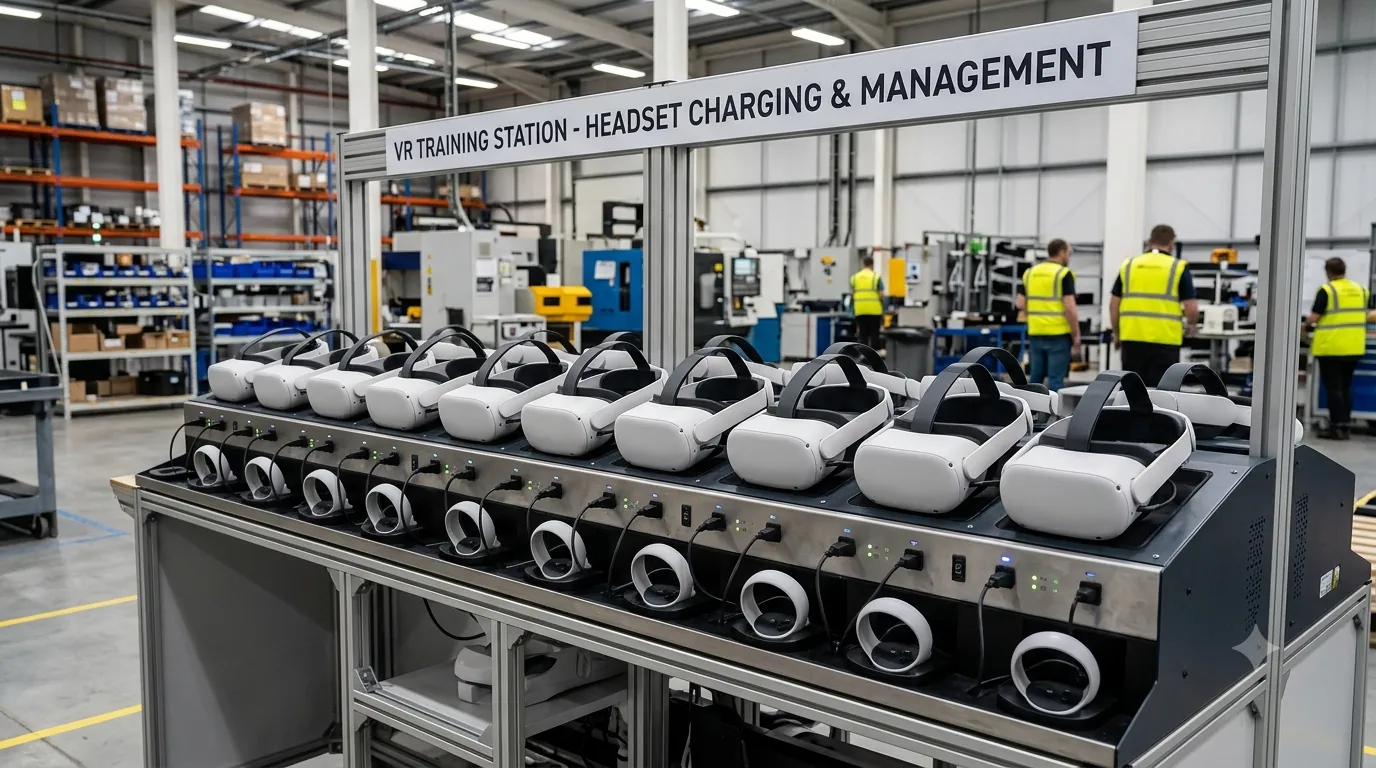
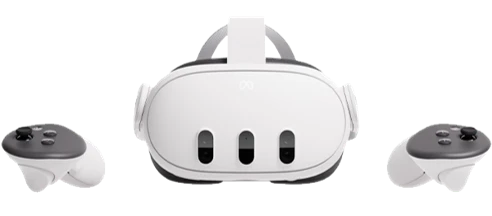
The same module ships to every site on a fleet of Meta Quest headsets with a charging station and a companion tablet for the instructor.

A rack of headsets lives at the plant. Trainees pick one up, complete the module and hand it back; scores sync to the LMS when the headset reaches Wi-Fi. No dedicated PC per seat and no simulator room to build.

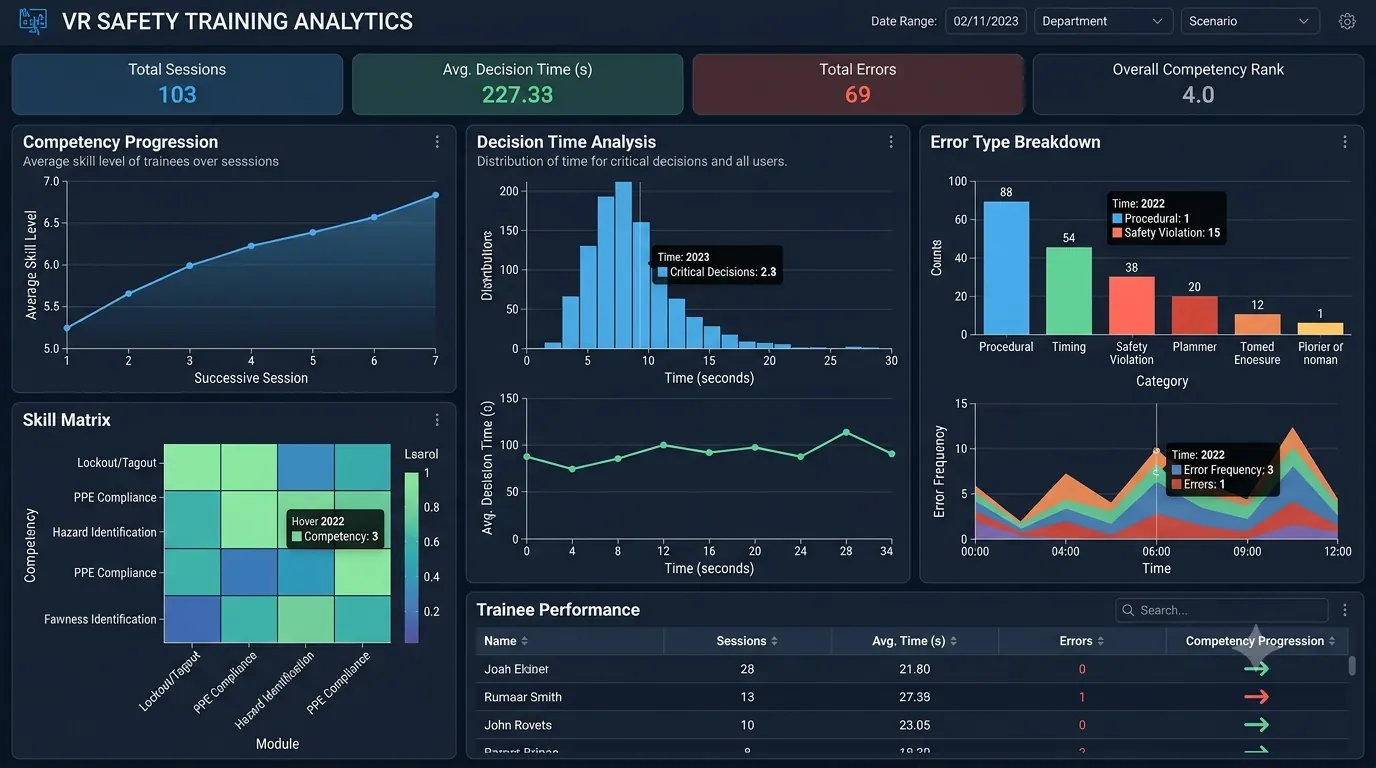
Assessment mode records decision time, procedural errors and safety violations per step. The safety officer sees competency progression per trainee and per department, and the LMS issues a dated digital certificate on a pass.

Every module is built and tested for standalone Quest hardware. Headsets and the charging station can be supplied with the programme, or the module is deployed onto a fleet you already own.
This module is deployed across EDIIIE's industry programmes. Explore how it fits each sector:
Book a demo and see the Fire Safety module running on a headset, scored against NFPA 10 / IS 2189.
Request this module